
Category: nutrition
-

Deciding Whether or Not to Schedule?
I’ve been where you are. I’ve been in a place where I needed guidance and needed answers. I wasn’t sure if they were actually out there or where to seek them. I felt nervous about seeing someone I didn’t know and investing money in something I wasn’t sure was going to help. I was scared…
-

Becoming an IBCLC
I am frequently asked how to become a lactation consultant. The term “lactation consultant” is not trademarked. Since anyone can use the term, it is important to understand the differences in specific trainings and certifications, as the variation is vast. The Massachusetts Breastfeeding Coalition has good information on different credentials. IBCLCs (International Board Certified Lactation…
-
Sleep and the Breastfed Baby
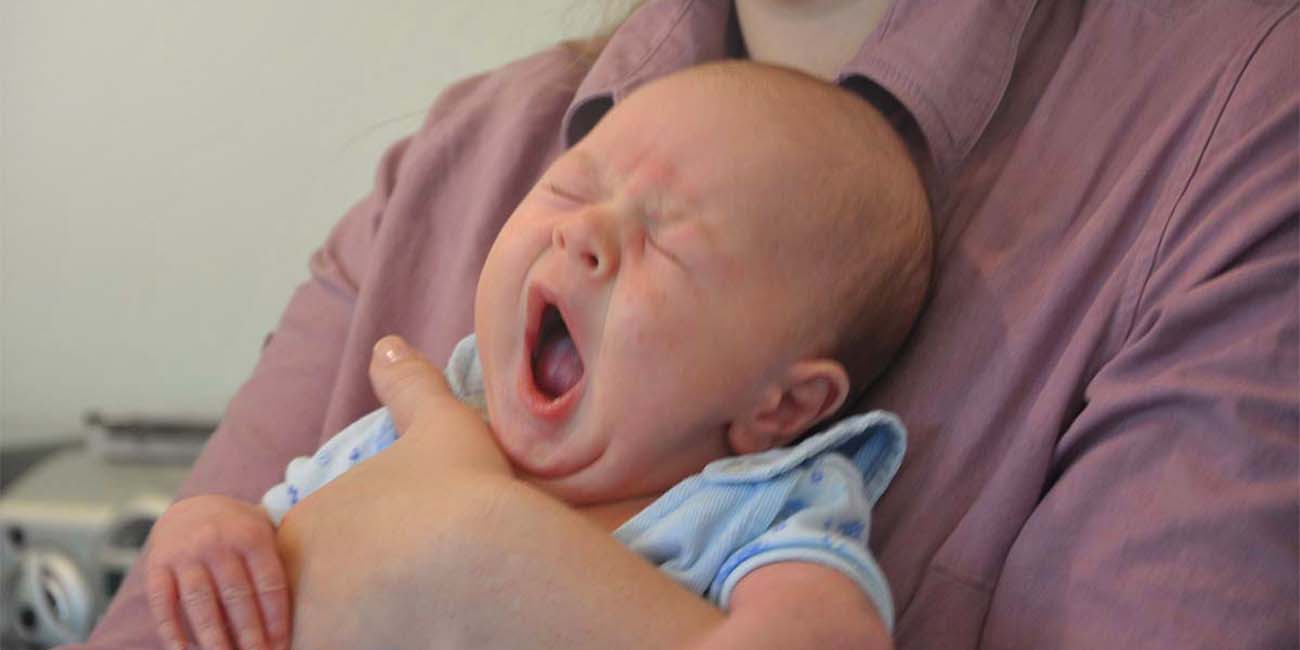
When my first daughter was born, I was lucky if she slept more than 10 minutes after I put her down. Even placing my daughter in the co-sleeper attached to my bed with my hand on top of her was not successful. Night after night, I held my daughter for hours on my chest. While…
-
Introducing a Bottle
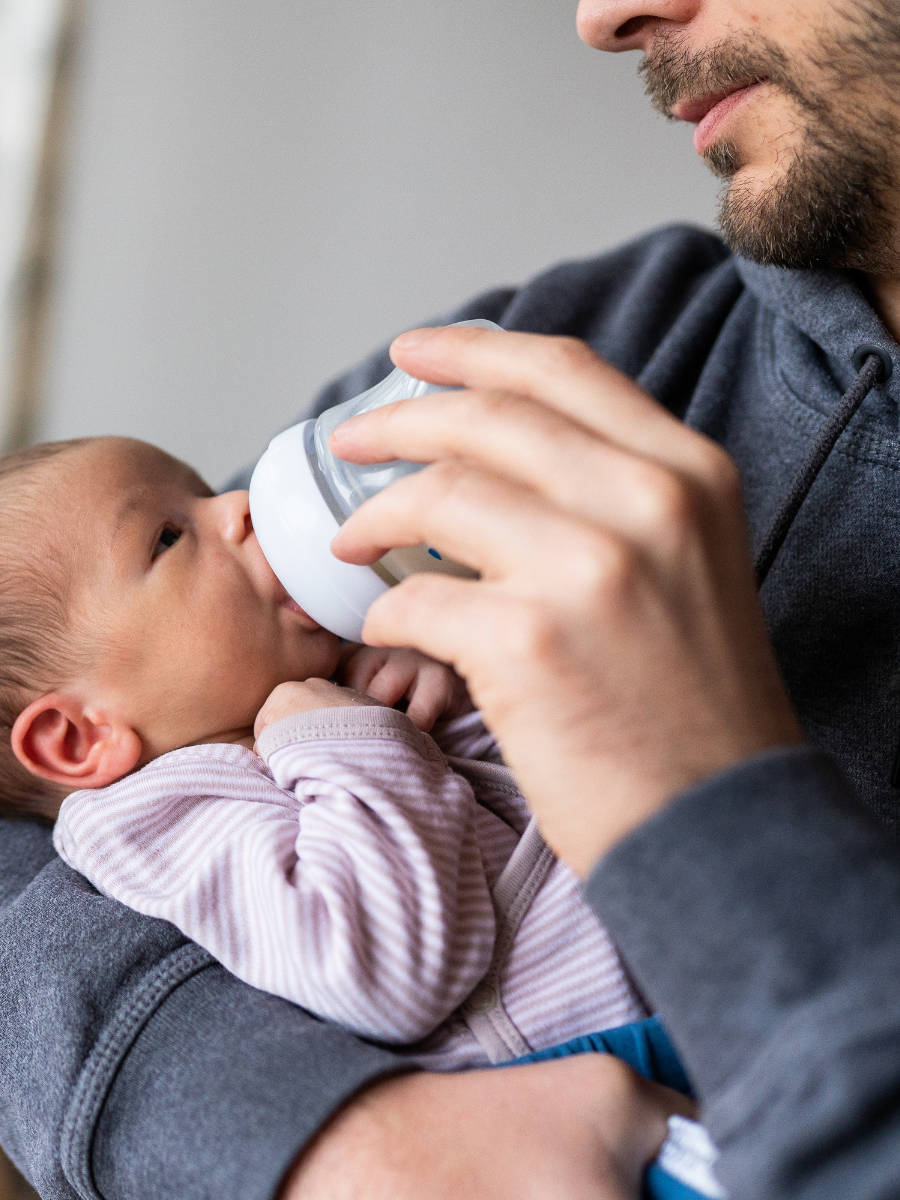
Some babies easily accept the bottle and may go back and forth between it and the breast with no issues. Other babies take a little more convincing, especially as they get older. A baby will almost always prefer what is natural and familiar, not to mention that there can never be a perfect substitute for…
-

Medications and Breastfeeding
**Heather called me frantically at 7am. In the background, I could hear a screaming, incredibly frustrated baby. Heather had been in the emergency room the night before for a sprained ankle and was told to “pump and dump” for 24 hours because she was given pain medication. But her daughter, only a few weeks old,…
-

Breastfeeding and Water Intake
Several times a week I hear about moms who were told the more water they drink, the more breastmilk their body will produce. I see moms drinking 100 or more ounces of water a day in attempt to increase their milk supply. Sometimes when a mom reaches 100 ounces and her supply is still low,…
-

Top 10 Things to Know About Breastfeeding
Mothers and babies are made to breastfeed. Breastfeeding has endless benefits for both mothers and babies. Babies are born expecting their mother’s milk. Women have breasts so they can make milk and nourish their babies. Babies instinctively find the breast, latch on, and remove milk. Breastfeeding is normal! Skin-to-skin contact is powerful. Skin-to-skin contact helps…
-

You Know You’re the Child of a Lactation Consultant When…
While looking at pictures in a farm book, you point out the picture of the cow “breastfeeding” her baby. Your stuffed animals are lined up on your bedroom floor so you can teach them how to “hand express.” The Breastfeeding Atlas has been your bedtime storybook at least a few times. Your friend is a…
-
Is Nipple Pain Normal?
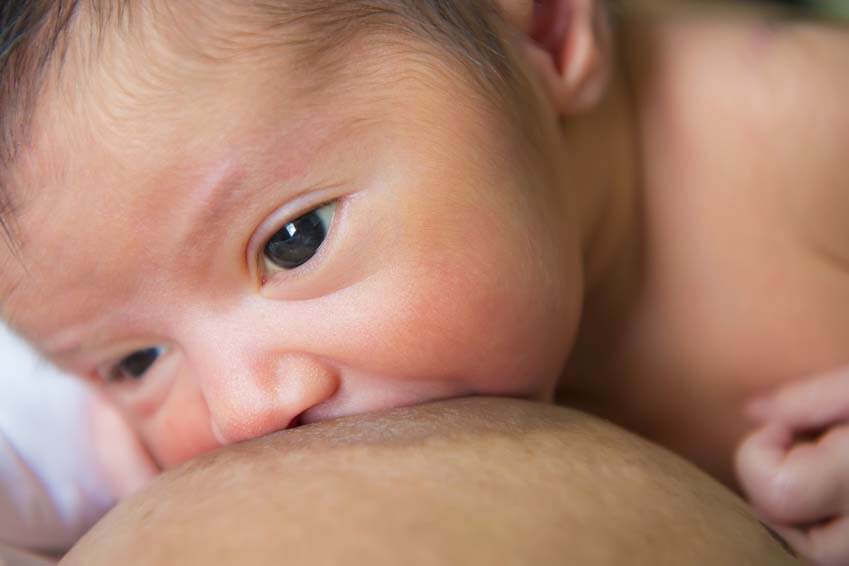
While sore and damaged nipples are common, they are not an inevitable part of breastfeeding! Myths surrounding pain and breastfeeding are one of the most frequent reasons parents quit breastfeeding. Parents are often told to tough it out and that the pain will get better with time. Sometimes the pain does get better with time,…
-

How Much Does Your Physician Know About Breastfeeding?
Physicians can be wonderful in terms of identifying and preventing health issues in you and your baby. A supportive, knowledgeable health care provider can be a huge asset in your parenting journey and I always stress the importance of finding someone you trust. But for some health-related issues, primary care providers should only be the…
-
Soup for the Postpartum Mother
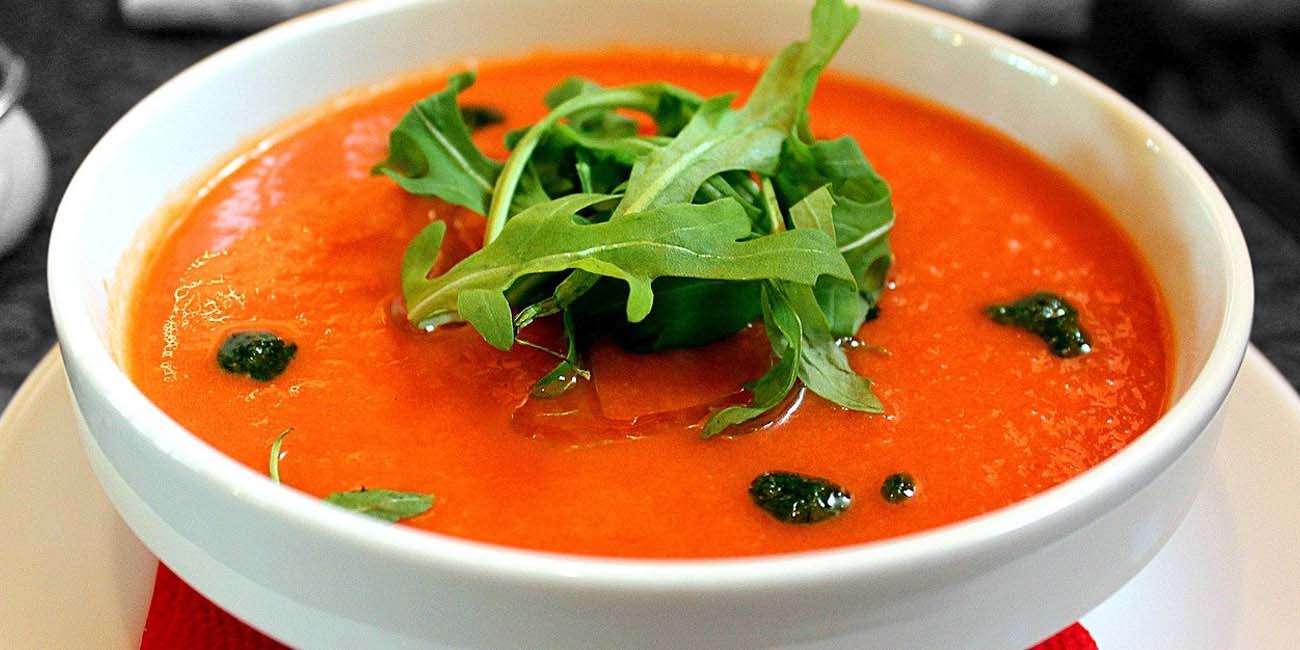
In non-Western cultures throughout history, the postpartum period was considered a sacred time. Postpartum women were cherished and honored. The mothers were the center of attention, not the baby. They were not allowed to do anything at all stressful and were catered to by everyone around them. Their only expectation was to rest and take…